

Got Cream? Make Cultured Butter!
Mar 18 | Written By: Sabrina Huizar
POV: your kitchen just got deep cleaned.
Everything is spotless. Counters gleaming. Sink empty. Floors shining.
And naturally, the very next thing you decide to do… is make butter.
I wish I could explain why I am the way I am, but fermentation people will understand. When ingredients start whispering that they’re about to turn, the only logical response is to culture them and see what happens.
In this case, I had a container of cream that was getting ready to quit on me. Not spoiled. Just… thinking about it. Culturing it would buy me a couple extra days to decide what to do with it.
Turns out the answer was obvious.
Butter has entered the chat.
What Is Cultured Butter?
Cultured butter starts with cream that has been fermented before churning.
Instead of simply whipping fresh cream until it separates into butter and buttermilk, a culture is added first. The cream sits for a period of time while beneficial bacteria ferment the lactose and produce lactic acid.
That fermentation changes everything.
Cultured butter develops:
• a deeper flavor
• a slight tang
• more aromatic complexity
• a softer, silkier texture
The result is butter that tastes less like plain fat and more like a finished ingredient.
It’s the difference between something that spreads on bread and something that elevates bread.
Non-Cultured Butter (Sweet Cream Butter)
Most butter sold in the United States is sweet cream butter, meaning it is made from fresh, uncultured cream.
The process is simple:
Fresh cream is churned.
Fat separates from buttermilk.
Butter is washed and salted.
Sweet cream butter tastes clean, mild, and creamy. It’s great for baking and everyday use, but it doesn’t have the depth of flavor that fermentation creates.
Cultured butter, on the other hand, carries subtle yogurt-like notes, gentle acidity, and a richer aroma.
French Butter vs American Butter
If you’ve ever tasted European butter and thought why does this taste so much better?, there are a few reasons.
Higher Butterfat
European and French butters usually contain 82–86% butterfat, compared to the American standard of about 80%.
That extra fat creates a creamier texture and richer flavor.
Culturing
Many traditional French butters are made from cultured cream, which gives them that signature tangy depth.
Slow Churning
Traditional butter-making methods are often slower and gentler, producing a smoother texture.
The result is butter that feels luxurious, spreadable, and deeply flavorful.
Homemade cultured butter brings you surprisingly close to that experience.
Why I Cultured My Cream
My cream wasn’t bad yet, but it was getting close to the point where you start giving it the side-eye.
Culturing it was the perfect move.
The bacteria begin consuming the lactose and producing lactic acid, which slightly lowers the pH. That extra acidity helps stabilize the cream and gives you a little extra time before spoilage takes over.
Translation: fermentation buys you time.
After letting the cream culture overnight, I still hadn’t decided what to do with it.
But once the mixer gave me a wink, the decision made itself.
Butter.
How to Make Cultured Butter
Ingredients
2 cups heavy cream
1-2 tablespoons cultured crème fraiche. You can also use yogurt or kefir.
Salt to taste (optional)
Optional additions: garlic, herbs, citrus zest, honey
Step 1: Culture the Cream
Stir the culture into the cream.
Cover loosely and leave it at room temperature for 12–24 hours.
The cream will thicken and develop a mild tang.
Step 2: Chill the Cream
Place the cultured cream in the refrigerator overnight before churning. Cold cream churns more efficiently and the flavor will deepen.
Step 3: Churn
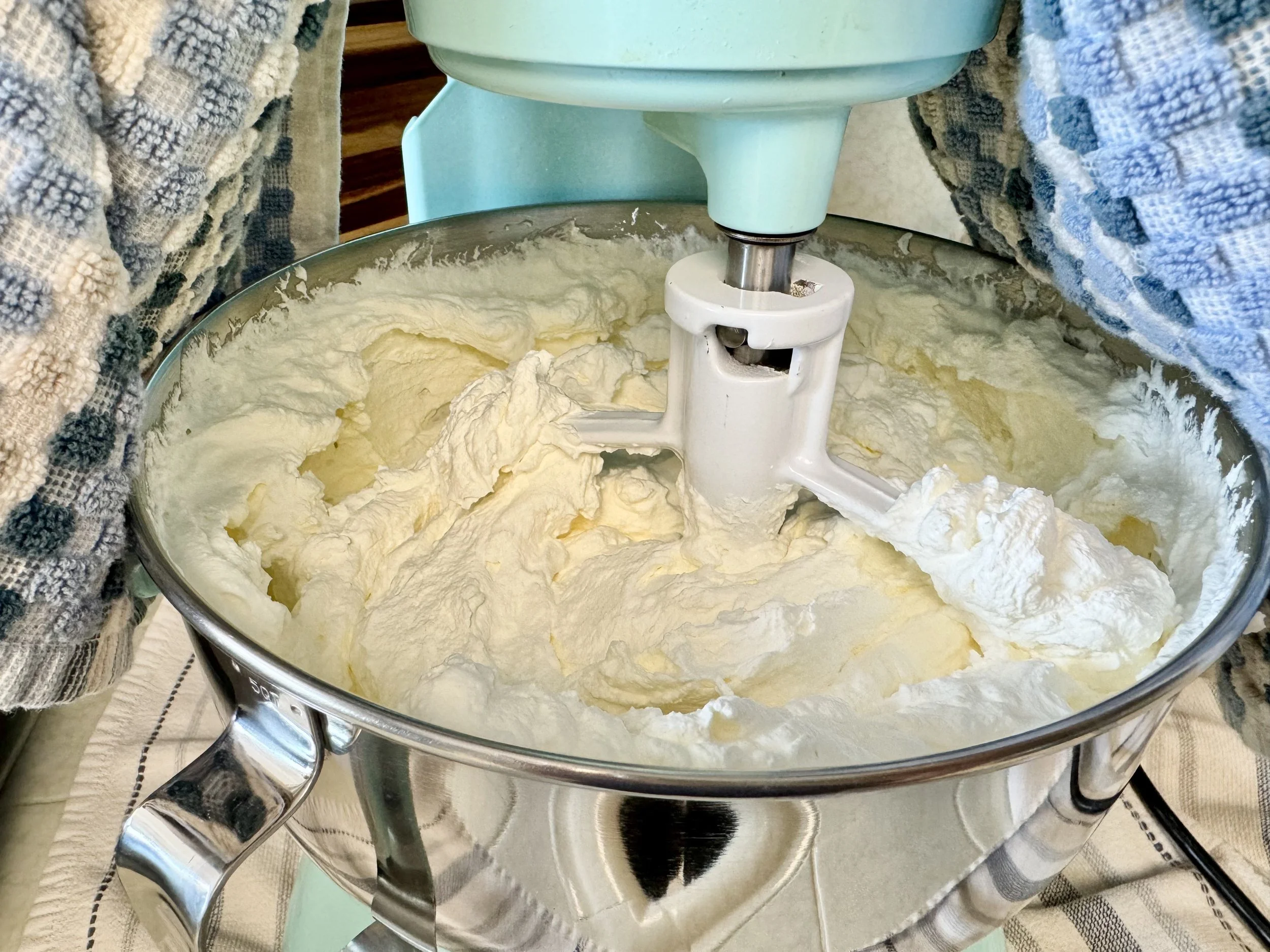
Pour the cream into a stand mixer fitted with the paddle or whisk.
Whip on medium-high speed.
Stages you’ll see:
Whipped cream
Overwhipped cream
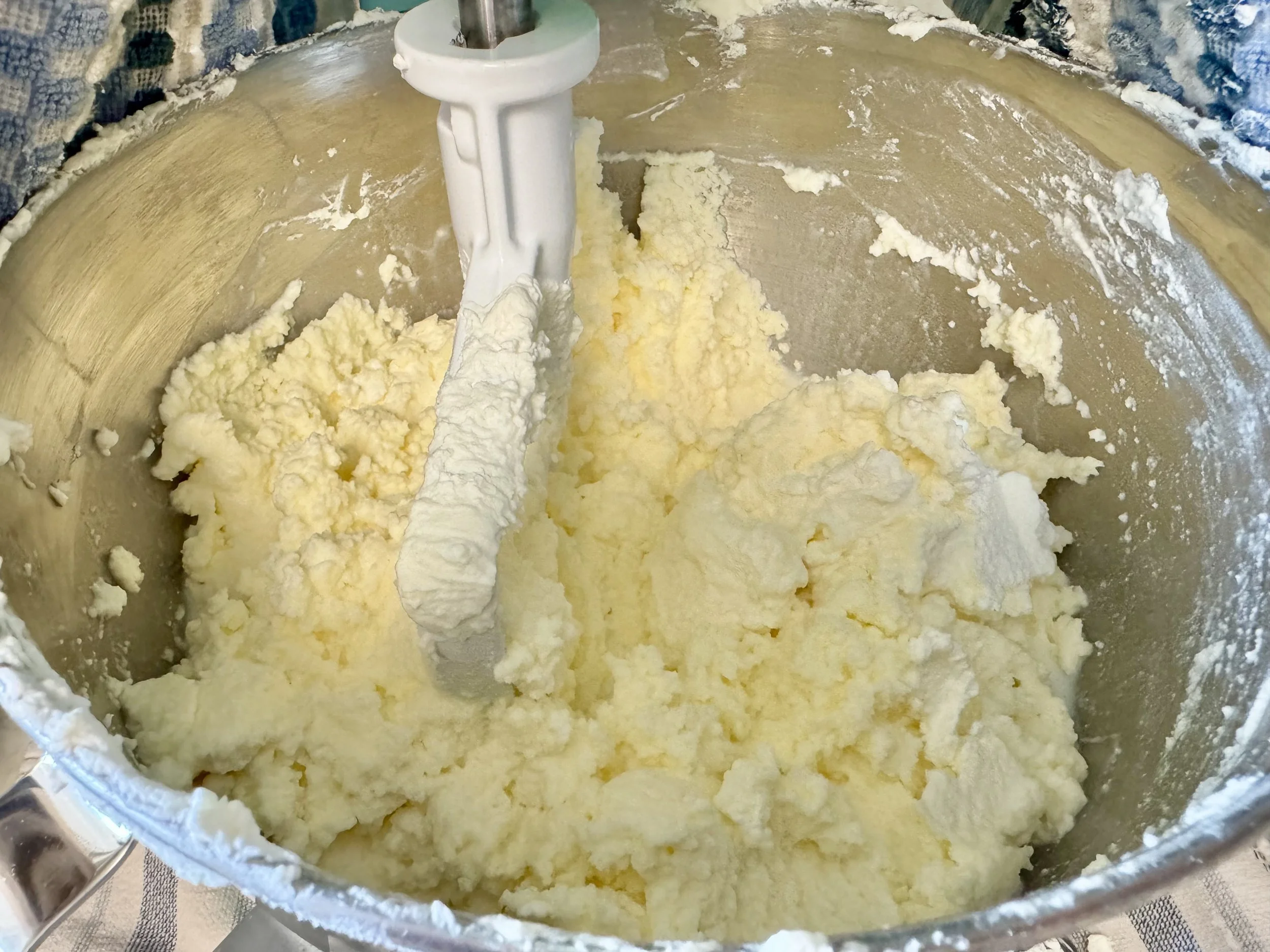
Sudden separation into butter solids and buttermilk
At this point it looks a little chaotic. That’s normal.
Step 4: Strain the Buttermilk
Pour off the buttermilk and save it. Cultured buttermilk is fantastic in pancakes, biscuits, or sourdough baking.
Step 5: Wash the Butter
This step matters more than people think.
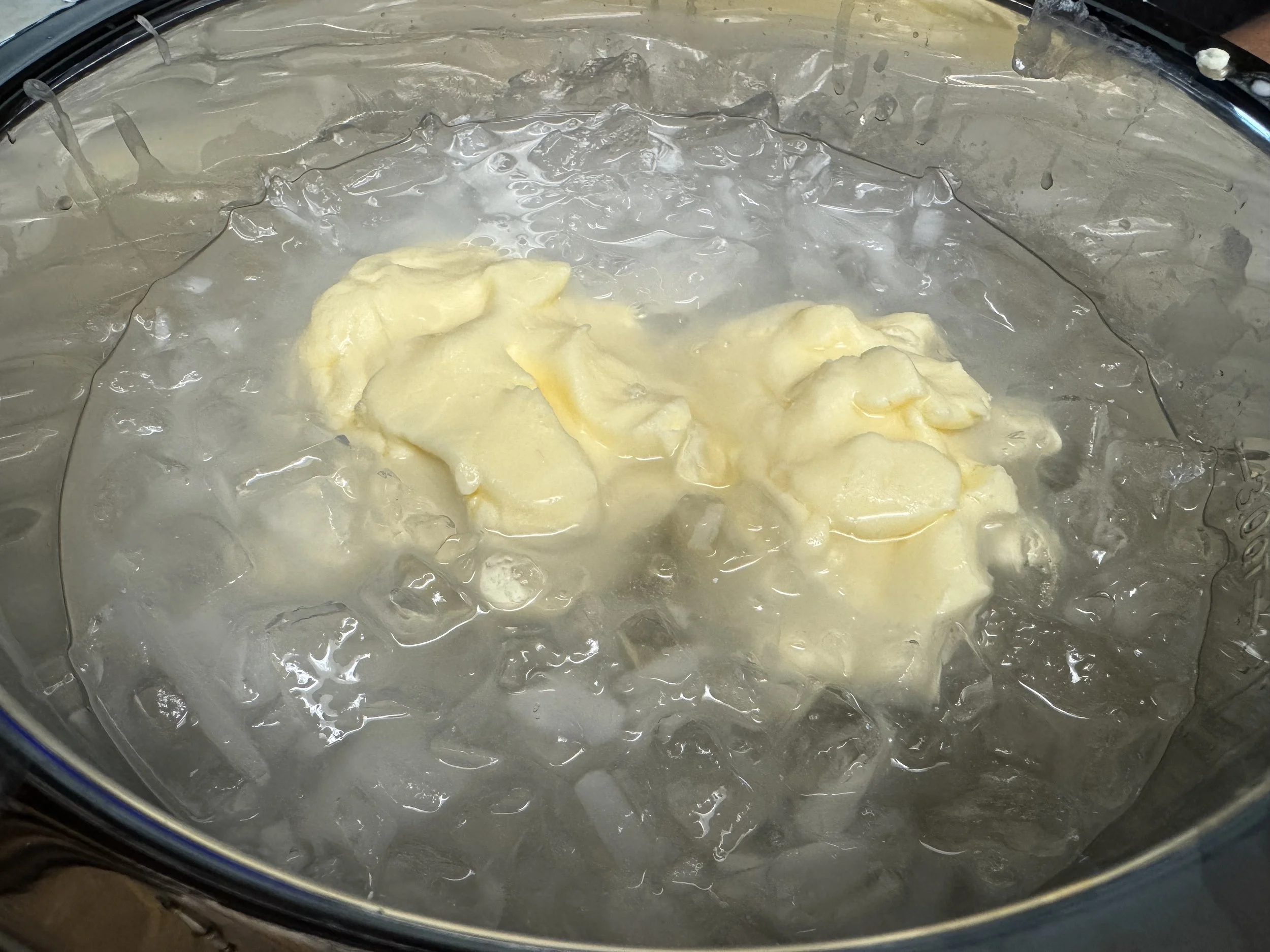
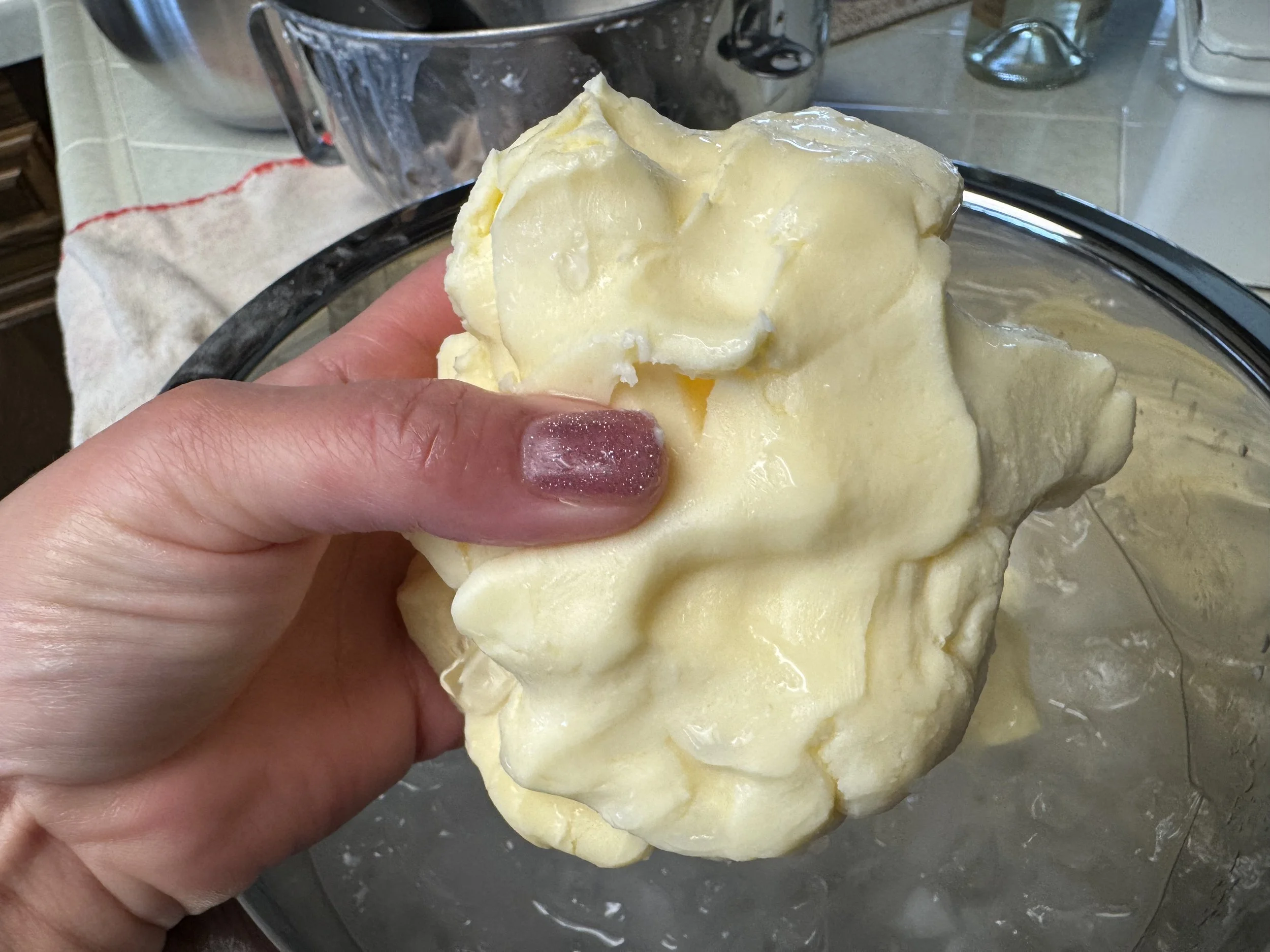
Place the butter in a bowl of ice water and knead it gently to remove remaining buttermilk.
Change the water until it runs mostly clear.
Removing the buttermilk helps the butter last longer and prevents it from turning rancid quickly.
Step 6: Salt and Flavor
At this point you can divide the butter and customize it.
I made:
• salted cultured butter
• garlic and herb butter
Because once you’re already making butter, you might as well lean into it.
Mix in your flavorings, shape the butter, and refrigerate.
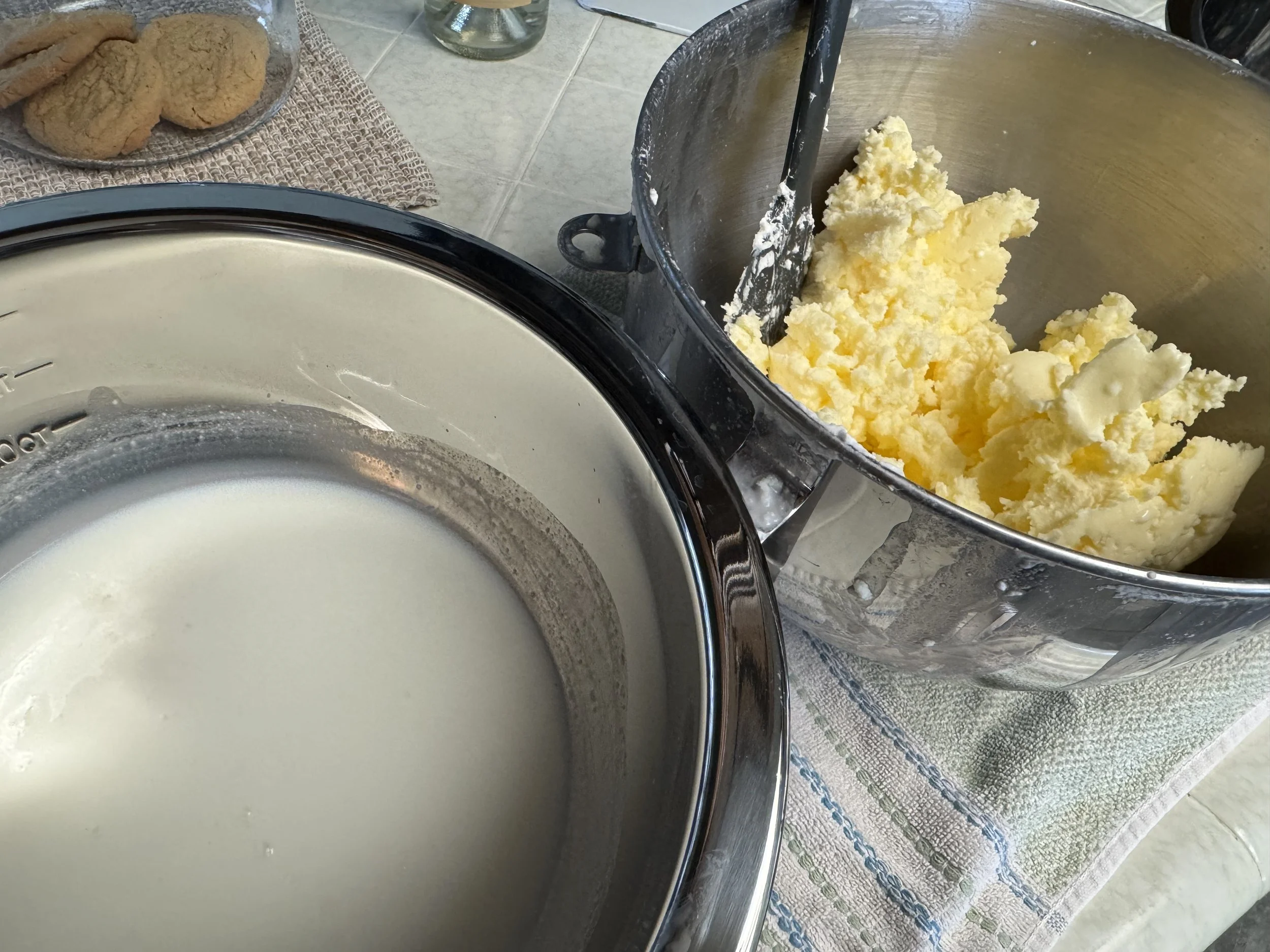
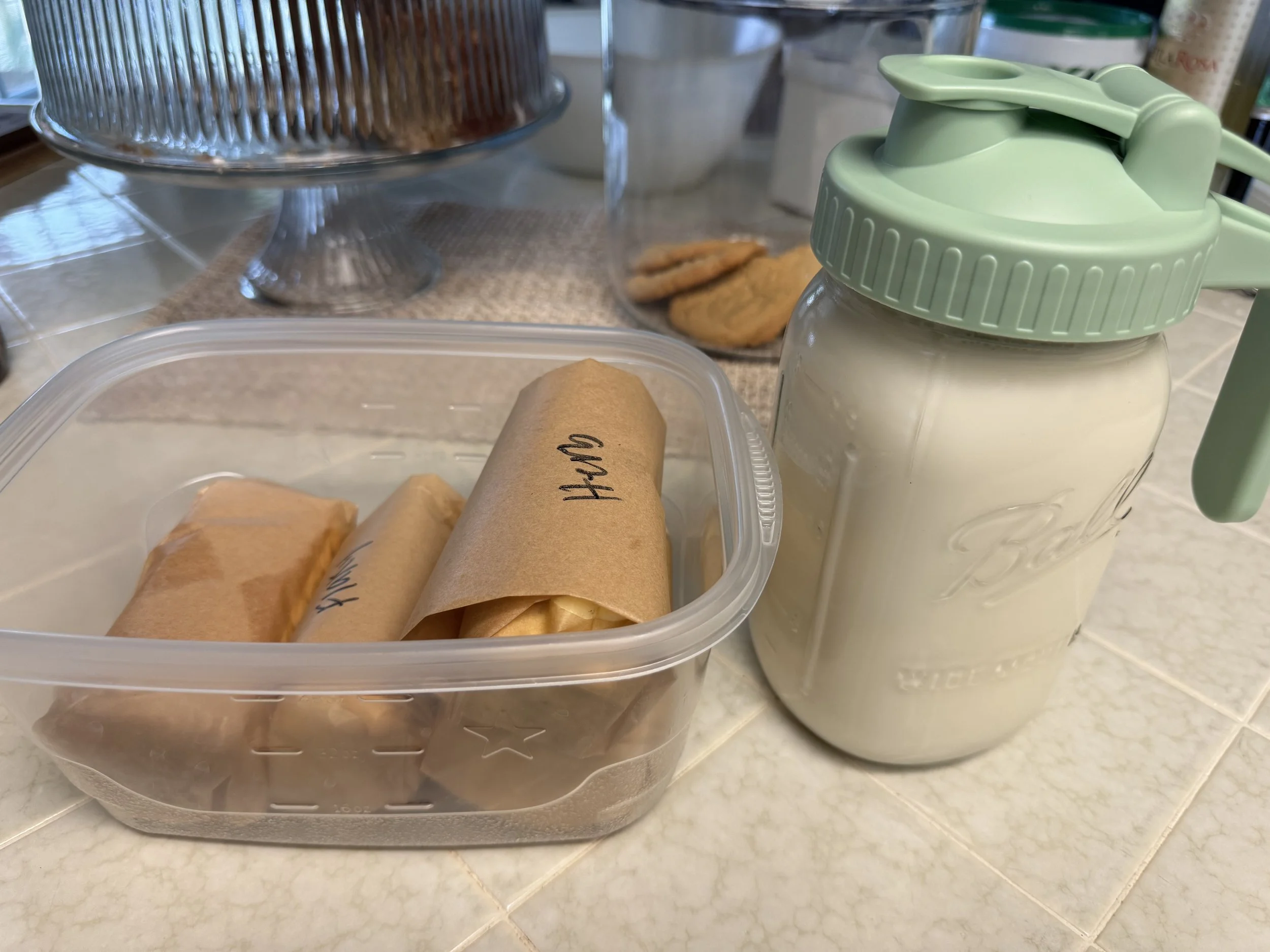
Sometimes the best kitchen projects start with ingredients that need rescuing.
A container of cream that was about to call it quits turned into:
• fresh cultured butter
• a jar of beautiful cultured buttermilk
And yes, my freshly deep-cleaned kitchen is now very much… buttered.
No regrets.
From my chaotic countertops to yours…
—Sabrina

Our Crème Fraîche Mesophilic Culture makes it easy to create authentic crème fraîche right in your own kitchen. Skip the mock versions and enjoy the real thing. A beautifully thick, velvety cultured cream with a naturally rich flavor and luxurious texture.
Cultured at room temperature, this mesophilic culture transforms fresh cream into a silky, spoonable crème fraîche that is both creamy and gently tangy with subtle natural sweetness. The flavor is deeper and more complex than plain sweet cream, giving it that signature balance that makes crème fraîche so beloved in both sweet and savory cooking.
The finished crème fraîche has a luscious, custard-like body that is incredibly versatile in the kitchen. Use it to enrich sauces, swirl into soups, top fresh fruit, fold into desserts, or serve alongside baked goods and roasted vegetables.
Elegant, simple, and deeply satisfying, this culture brings a timeless French kitchen staple straight into your home.
Expect:
• Thick, custard-like crème fraîche
• Rich, creamy texture
• Gentle tang with subtle natural sweetness
• Easy room-temperature (mesophilic) fermentation
• More complex flavor than sweet cream
• Perfect for sauces, soups, desserts, and toppings
Luxurious, smooth, and beautifully balanced, this culture creates authentic homemade crème fraîche that elevates everyday cooking.
Our Swedish Cultured Sweet Cream culture allows you to create a rich, velvety cultured cream inspired by traditional Scandinavian dairy. Known for its smooth texture and gentle sweetness, this cultured cream brings a luxurious touch to both sweet and savory dishes.
This mesophilic culture ferments comfortably at room temperature, slowly transforming fresh cream into a thick, silky dairy with a beautifully balanced flavor. As the cream cultures, it develops a mild tang that complements its natural sweetness, creating a smooth and refined profile.
The finished cultured cream is rich, thick, and velvety, making it a decadent addition to many recipes. Its smooth consistency and delicate flavor allow it to shine whether used as a topping, stirred into sauces, or incorporated into baking.
Simple, elegant, and wonderfully indulgent, this culture makes it easy to bring authentic Swedish cultured sweet cream into your kitchen.
Expect:
• Thick, velvety cultured cream
• Mild flavor with gentle natural sweetness
• Smooth, luxurious texture
• Easy room-temperature (mesophilic) culturing
• Perfect for desserts, sauces, and rich toppings
Smooth, creamy, and delightfully indulgent, this culture produces authentic Swedish cultured sweet cream that adds a touch of Scandinavian decadence to any dish.
Our Swedish Buttercream Mesophilic Culture creates a rich, indulgent cultured cream inspired by classic Scandinavian dairy traditions. This hybrid culture blends the character of Swedish sweet cream with the gentle tang of cultured buttermilk, producing a beautifully thick and creamy fermented dairy.
As the culture ferments at room temperature, the cream develops a luxurious texture with a smooth body and just a hint of tanginess. The result is a cultured cream that is rich, balanced, and wonderfully versatile.
The finished buttercream is thick, silky, and mildly tangy, making it perfect for enjoying on its own or incorporating into both sweet and savory recipes. Its creamy texture and balanced flavor make it a delightful addition to baked goods, sauces, and spreads.
This culture is essentially a hybrid blend, designed to bring together the best characteristics of Swedish sweet cream and cultured buttermilk in a single fermentation.
And if you already happen to have both of those cultures in your kitchen, there’s truly no need to order this one. Simply channel your inner kitchen wizard and combine them to create your own Swedish buttercream at home.
Simple, rich, and wonderfully satisfying, this culture makes it easy to bring a unique Scandinavian-style cultured cream into your kitchen.
Expect:
• Thick, creamy cultured buttercream
• Mild tang with rich dairy flavor
• Smooth, silky texture
• Easy room-temperature (mesophilic) culturing
• Perfect for spreading, baking, and cooking
Rich, creamy, and delicately tangy, this culture produces a beautifully smooth Swedish buttercream that adds depth and indulgence to everyday recipes.