

Sabrina’s Soapbox: You Don’t Need a Pellicle to Start Kombucha (And I’m Tired of Pretending You Do)
May 2 | Written By Sabrina Huizar
Let’s talk about one of the most persistent myths in the home brewing world: that you need a pellicle to start making kombucha.
You don’t.
You never did.
And honestly, we need to stop acting like you do.
That pellicle everyone’s so pressed about? That ain’t the secret sauce. That’s just the house. The real magic? It’s in the culture itself—what’s floating around in that raw, unpasteurized kombucha. The yeast. The bacteria. The life.
I’m not saying the pellicle isn’t fascinating—it is. That rubbery, alien-looking disc floating on top of your brew? That’s microbial architecture. It’s cool. It’s weird. It feels important. But here’s the truth that doesn’t get said enough: the pellicle is just a byproduct. A symptom. A side effect. It’s not the source of the fermentation—it’s the bacteria and yeast in the starter liquid that do all the heavy lifting.
What You Actually Need to Start Kombucha
• Tea (black, green, or a mix)
• Sugar
• Water
• About a cup of raw, unflavored kombucha with live cultures
How to Start:
1. Brew your tea.
2. Stir in the sugar while it’s hot.
3. Let it cool to room temperature.
4. Pour it into a clean glass jar.
5. Add your starter kombucha.
6. Cover it with a breathable cloth and secure with a rubber band.
7. Let it sit on the counter for 7–14 days.
That’s it. No mystical starter disk needed.
In a week or two, you’ll likely see a new pellicle forming. Because the culture is alive. It’s doing its job. The yeast and bacteria don’t care if there’s an old pellicle floating around. They care about food, warmth, and time—and when you give them that, they get to work.
Let’s Get Real: Where Did This Pellicle Obsession Even Come From?
Honestly? I blame kombucha culture (pun intended). Somewhere along the way, people started treating the pellicle like a sacred object. You don’t need a flawless floating pancake. You need live kombucha—and confidence.
The best part of brewing kombucha is how forgiving it is. Messy start? It’s fine. Funky first pellicle? That’s how it’s supposed to look. Fermentation isn’t clean or pretty—it’s alive. And sometimes that means it’s a little gross. It’s all part of the beauty.
Final Thoughts: Own Your Kitchen, Trust the Process (Even When It Looks Weird)
I’ll get off my soapbox now.
—Sabrina

Our Jun Tea Culture is often called the whimsical cousin of kombucha, and for good reason. Light, elegant, and refreshingly smooth, Jun produces a delicate fermented tea that feels both lively and refined. Its flavor is gently floral with a soft brightness that dances across the palate rather than delivering the stronger tang often associated with traditional kombucha.
What truly sets Jun apart is what it feeds on during fermentation. While kombucha cultures rely on sugar, Jun thrives on honey. This natural sweetness gives the finished tea a uniquely smooth character with subtle honeyed notes and a beautifully balanced effervescence.
Jun is also known for its quick fermentation and energetic personality. It tends to ferment faster than kombucha and produces a crisp, sparkling tea that is wonderfully refreshing on its own or perfect for flavoring with fruits, herbs, and botanicals.
Elegant, lively, and endlessly fun to brew, Jun is a delightful addition to any fermentation kitchen.
Expect:
• Light, delicate flavor with gentle tang
• Subtle floral and honey notes
• Naturally bubbly and refreshing
• Faster fermentation than traditional kombucha
• Fermented with honey rather than sugar
• Perfect base for fruit, herb, or botanical infusions
Bright, graceful, and wonderfully effervescent, Jun tea brings a touch of magic to the world of fermented beverages.

Our Hibiscus Kombucha Culture allows you to create a vibrant, refreshing fermented tea that pairs the classic tang of kombucha with the beautiful floral character of hibiscus. Known for its deep burgundy color and bright flavor, hibiscus kombucha is both eye-catching and wonderfully refreshing.
The process follows the traditional kombucha brewing method. Sweet tea is first fermented with a live kombucha culture, where beneficial bacteria and yeasts transform the tea into a lightly fizzy, probiotic-rich drink.
Hibiscus has long been valued for its naturally occurring antioxidants and refreshing flavor. When combined with kombucha’s living cultures, the result is a lively, tangy beverage that supports a balanced gut and offers a wonderfully satisfying alternative to sugary drinks.
The finished kombucha is bright, lightly tart, gently sweet, and beautifully effervescent with a crisp floral finish. It’s perfect for sipping chilled, serving over ice, or enjoying as a refreshing afternoon pick-me-up.
Simple, colorful, and full of character, this culture makes it easy to brew striking homemade hibiscus kombucha right in your own kitchen.
Expect:
• Vibrant burgundy-colored kombucha
• Bright tartness with gentle floral hibiscus notes
• Naturally rich in beneficial probiotics
• Perfect for refreshing homemade beverages
Bold, refreshing, and beautifully balanced, this culture creates a homemade hibiscus kombucha that’s as stunning to look at as it is satisfying to drink.
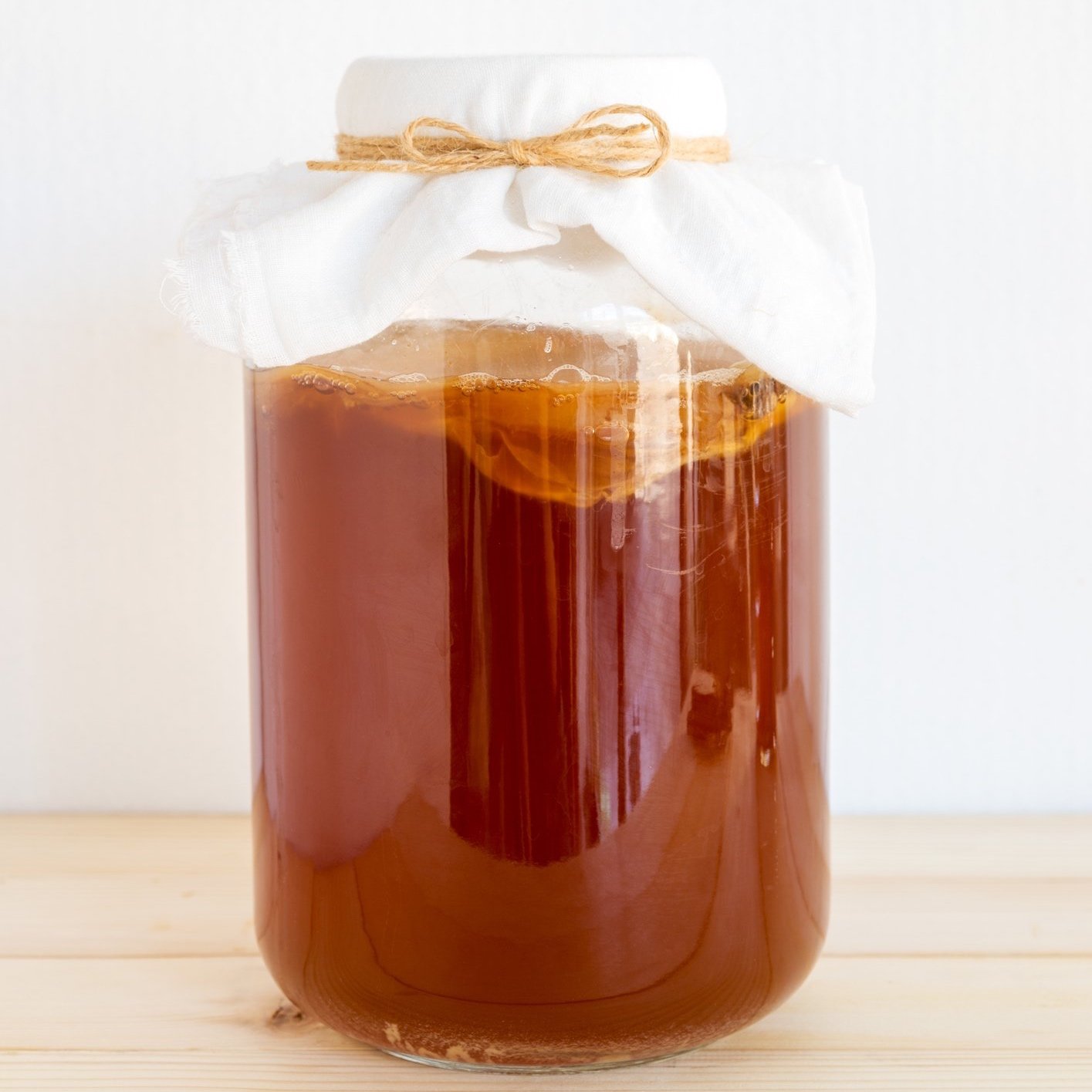
Our Kombucha Culture allows you to brew the classic fermented tea enjoyed around the world for its refreshing flavor and lively character. Bright, tangy, and naturally effervescent, traditional black tea kombucha offers the balanced flavor that made this ancient beverage so beloved.
Kombucha originates from East Asia, where fermented tea has been enjoyed for centuries before spreading across Russia and Europe and eventually around the world.
During fermentation, the culture consumes the sugars in the tea and produces a refreshing beverage with a pleasant tang, subtle sweetness, and gentle natural fizz. Black tea provides the classic kombucha flavor profile—clean, bright, and slightly tannic with a beautifully balanced acidity.
Once brewed, kombucha can be enjoyed as is or flavored during a second fermentation with fruits, herbs, or spices to create a wide variety of delicious homemade kombucha drinks.
Simple, traditional, and endlessly customizable, this culture makes it easy to bring authentic kombucha brewing into your kitchen.
Expect:
• Classic black tea kombucha flavor
• Bright tang with subtle natural sweetness
• Light natural effervescence
• Traditional fermentation using a live SCOBY (liquid starter)
• A resilient culture that can be reused batch after batch
• Perfect for drinking plain or flavoring during second fermentation
Refreshing, lively, and deeply rooted in tradition, this culture produces authentic homemade kombucha with the bright flavor and gentle fizz that kombucha lovers enjoy.