

Why Your Recipe Never Looks Exactly Like Theirs (And Why Flour Is Usually the Reason)
April 22 | Written By: Sabrina Huizar
You follow the recipe exactly. You measure everything carefully. You double-check the steps. You even compare your bowl to the photo on the blog post.
And still… something looks different.
Maybe the dough is stickier. Maybe the batter is thicker. Maybe the cookies are more like little cakes.
If you’ve ever wondered what you did wrong, here’s the truth: Most of the time, you didn’t do anything wrong at all.
The biggest reason recipes turn out differently from kitchen to kitchen is surprisingly simple.
Flour.
Recipes from the internet will never be identical in your kitchen!
When you bake someone else’s recipe, whether it’s bread, cookies, muffins, biscuits, pancakes, or cake, the results will almost never look exactly like the original baker’s.
That’s not because you followed the recipe incorrectly.
It’s because your flour is not the same flour they used. Even if the bag says the exact same thing. Flour changes from batch to batch.
Flour isn’t a perfectly uniform ingredient. It’s an agricultural product made from wheat grown in fields, harvested in different seasons, and milled in different batches. Because of that, flour naturally varies in ways that affect every recipe that uses it.
Some of the biggest differences include:
Protein Content
Protein is what forms gluten. Gluten gives structure to baked goods. Even within the same brand, protein levels can vary slightly between milling batches. One bag might produce stronger structure, while another may produce softer doughs or batters.
Water Absorption
Some flour is simply more “thirsty” than others.
One batch may absorb more liquid, producing thicker dough or batter. Another may absorb less, leaving the mixture looser or stickier.
This means the exact same recipe can behave differently depending on how your particular flour interacts with the liquid ingredients.
Moisture Already in the Flour
Flour naturally contains moisture, usually around 12–14 percent. That number can shift depending on storage conditions and milling.
If your flour already contains slightly more moisture, your batter or dough effectively becomes higher hydration even though you didn’t add extra liquid.
Volume Measurements Can Add Even More Variability
Many recipes still measure flour by cups instead of weight, which introduces even more inconsistency.
A cup of flour can vary a lot depending on how it’s measured.
Was the flour scooped directly with the measuring cup?
Was it spooned into the cup and leveled?
Was it packed down?
Each of these methods produces a different amount of flour.
Two people measuring “one cup” of flour can easily end up with differences of 20 to 40 grams or more.
And when you’re following someone else’s recipe, you have no way of knowing how accurately the original baker measured their flour.
Why Recipes Are Really Starting Points
Professional bakers rarely treat recipes as rigid formulas. Instead, they treat them as guidelines.
They watch the dough or batter and make adjustments if needed.
If a dough feels too sticky, they add a little flour.
If a batter seems too thick, they add a splash of liquid.
These small adjustments help the recipe work with the specific flour they’re using that day.
The Most Important Rule in Baking With Flour
If there’s one thing every baker eventually learns, it’s this:
Flour is never exactly the same twice.
And because of that, recipes that contain flour will always require a little observation and adjustment.
Your cookies may spread differently.
Your cake batter may look thicker.
Your bread dough may feel stickier.
That doesn’t mean you did anything wrong.
Bread Makes It More Obvious
Bread dough tends to highlight flour differences more dramatically, which is why bakers notice it so quickly there.
But the same principle applies to every recipe that contains flour.
Cookies.
Cakes.
Biscuits.
Pancakes.
Quick breads.
Flour variations affect them all.
So If Your Recipe Looks Different… DON’T PANIC.
Sometimes the only difference between your bowl and the one in the photo is something as simple as adjusting the flour.
And learning to adjust for that is one of the biggest steps from simply following recipes to truly understanding baking.
From my chaotic kitchen to yours,
—Sabrina
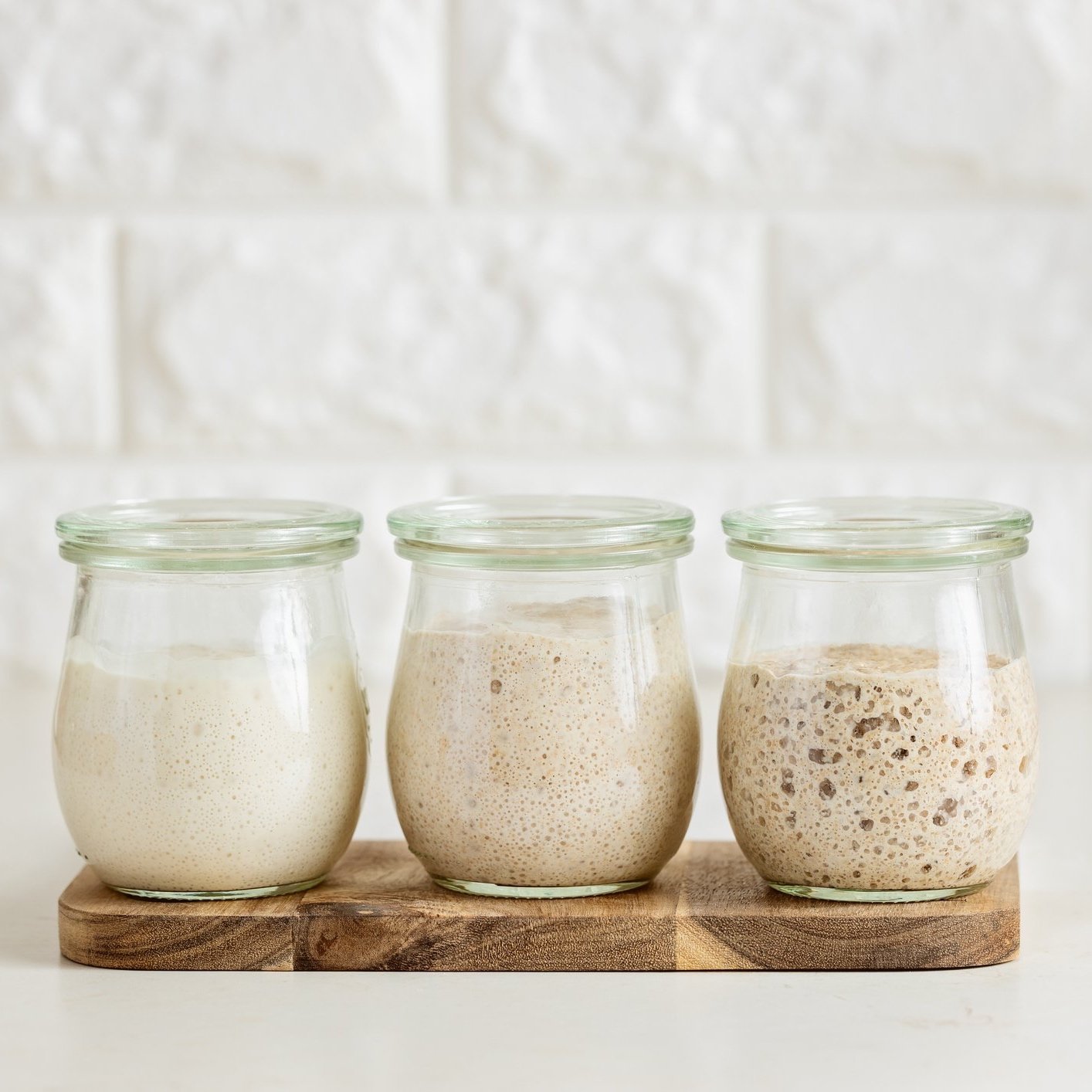
Our San Francisco “Fisherman’s Wharf” Sourdough Starter captures the unmistakable character of the famous sourdough breads that have made San Francisco baking legendary. Known for its lively fermentation and classic tangy flavor, this starter produces loaves with the signature taste many people associate with the city’s historic bakeries.
San Francisco sourdough has long been celebrated for its unique flavor profile, shaped by the coastal climate and traditional fermentation methods used by generations of bakers. This starter brings that same spirit into your kitchen, delivering the bold, aromatic character that sourdough lovers recognize immediately.
The finished breads develop a beautifully balanced tang, with a chewy yet tender crumb and a crisp crust that makes every slice memorable. The flavor is vibrant and satisfying—perfect for rustic loaves, sandwich bread, and the classic sourdough boules that feel right at home on a soup-and-salad table.
Each bake evokes the experience of strolling along Fisherman’s Wharf, where the aroma of fresh sourdough fills the air and warm loaves are enjoyed with butter, chowder, or simply on their own.
Simple, lively, and full of West Coast character, this starter makes it easy to bring the spirit of San Francisco sourdough baking into your kitchen.
Expect:
• Classic San Francisco-style sourdough tang
• Perfect for boules, sandwich loaves, and artisan breads
Bold, nostalgic, and wonderfully flavorful, this starter produces sourdough breads that capture the iconic taste of San Francisco baking.
Meet our French Einkorn Sourdough Starter. A beautifully active, old-world culture with a warm, nutty personality and a refined, gentle tang.
This heirloom starter is built on ancient einkorn wheat, one of the oldest cultivated grains in the world. Einkorn brings a naturally golden hue, a soft, silky dough feel, and a deep, toasted-wheat aroma that modern flours simply can’t replicate. When mature and ready to bake, this culture rises with a smooth dome and fine, even bubbles—lively, steady, and reliable.
The aroma is warm and inviting: think toasted wheat berries, fresh-milled grain, and a whisper of sweet cream. The flavor is rounded and balanced. You’ll get a subtle yogurt-like tang that supports the wheat rather than overpowering it. No harsh sourness—just depth, warmth, and complexity.
Because einkorn’s gluten structure is naturally more delicate than modern wheat, this starter produces dough that feels supple and extensible rather than tight and elastic. It excels in rustic boules, hearth loaves, sandwich breads, enriched doughs, and any recipe where you want the grain itself to shine. Expect a golden crumb, tender texture, caramelized crust, and a gently nutty finish that lingers in the best way.
This culture is ideal for bakers who appreciate:
• Ancient grains with rich history
• A softer, more traditional wheat profile
• Gentle, balanced sourdough flavor
• Beautiful golden crumb and aromatic depth
Active. Nutty. Elegant.
A true old-world starter with modern reliability.
If you’re ready to bake bread that tastes like heritage, this French Einkorn Sourdough Starter is your foundation.
Our Icelandic Rye Sourdough Starter brings the deep, old-world flavor of traditional Nordic baking straight to your kitchen. This starter develops the bold, earthy character that makes Scandinavian rye breads so unforgettable.
Rye starters behave a little differently than wheat starters. They tend to be more aromatic, more active in cool conditions, and wonderfully complex in flavor. This one produces loaves with a rich, slightly tangy profile and a subtle sweetness that pairs beautifully with the natural nuttiness of rye flour.
Expect a lively fermentation, a pleasantly sour aroma, and breads with a dense, moist crumb and deep flavor. It is perfect for traditional Icelandic and Nordic-style rye breads, but it also works beautifully blended with wheat flours for rustic sourdough loaves, hearty sandwich bread, crackers, and flatbreads.
Rye sourdough is known for its resilience. These cultures are hardy, dependable, and quick to wake up, making them a favorite among both new and experienced sourdough bakers.
If you love bold flavor, rustic texture, and the timeless tradition of northern European baking, this Icelandic Rye Starter will feel right at home in your kitchen.
Expect:
• Bold, earthy sourdough flavor
• Pleasant tang with subtle natural sweetness
• Lively fermentation and aromatic starter activity
• Perfect for Nordic rye breads, rustic loaves, crackers, and flatbreads
Rich, hearty, and deeply traditional, this Icelandic Rye Starter produces authentic rye sourdough breads with the unmistakable character of northern European baking.